
© google images
Santhosh Kumar
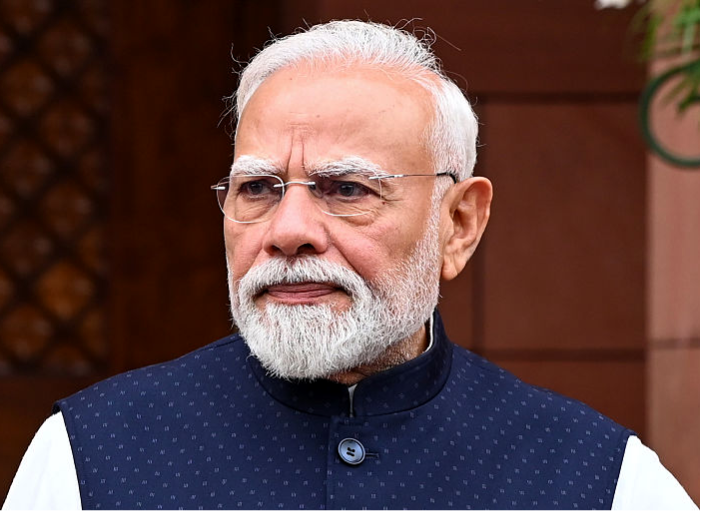
When Narendra Modi tweeted "India has won, good days are here again," he spoke for millions. But not for everyone. Not everyone is for development, growth and progress in life in a land where the so-called democracy is thriving.
His May victory was the most decisive in India's recent history. Supporters hailed him as the saviour of a sluggish economy and the leader who would lift India onto the world stage. After years of corruption scandals and a political scene that felt like a family business, many voters were ready for change.
Others were alarmed. India's large Muslim minority has reason for deep unease. In 2002, while Modi was leading Gujarat, Hindu mobs killed hundreds of Muslims in riots. Modi, a Hindu nationalist, failed to condemn the violence. Many Muslims have never forgiven him, and winning their trust may be his toughest challenge. Of course, the Congress party has been trying to ignite the anti-democratic and anti-nationalistic feelings in every one who is not a BJP supporter.
The scale of his Bharatiya Janata Party's triumph surprised even seasoned observers. The Congress Party had governed India for 55 of the 67 years since independence. Now it holds just 44 seats in the Lok Sabha, its worst showing ever, and no longer even leads the opposition.
How did it fall so far? Largely through disappointment. When Manmohan Singh became Prime Minister in 2004, hopes were high. He was admired for his economic skill, untouched by the scandals that stained his party, and expected to cut through India's tangled bureaucracy and build a rival to China. Instead, growth lagged, reform stalled, and the same calls for change heard a decade earlier were still being made. A long parade of corruption scandals sealed the government's fate.
Many Indians felt a decade had been squandered. Modi now inherits both their hopes and their impatience.
advertisement